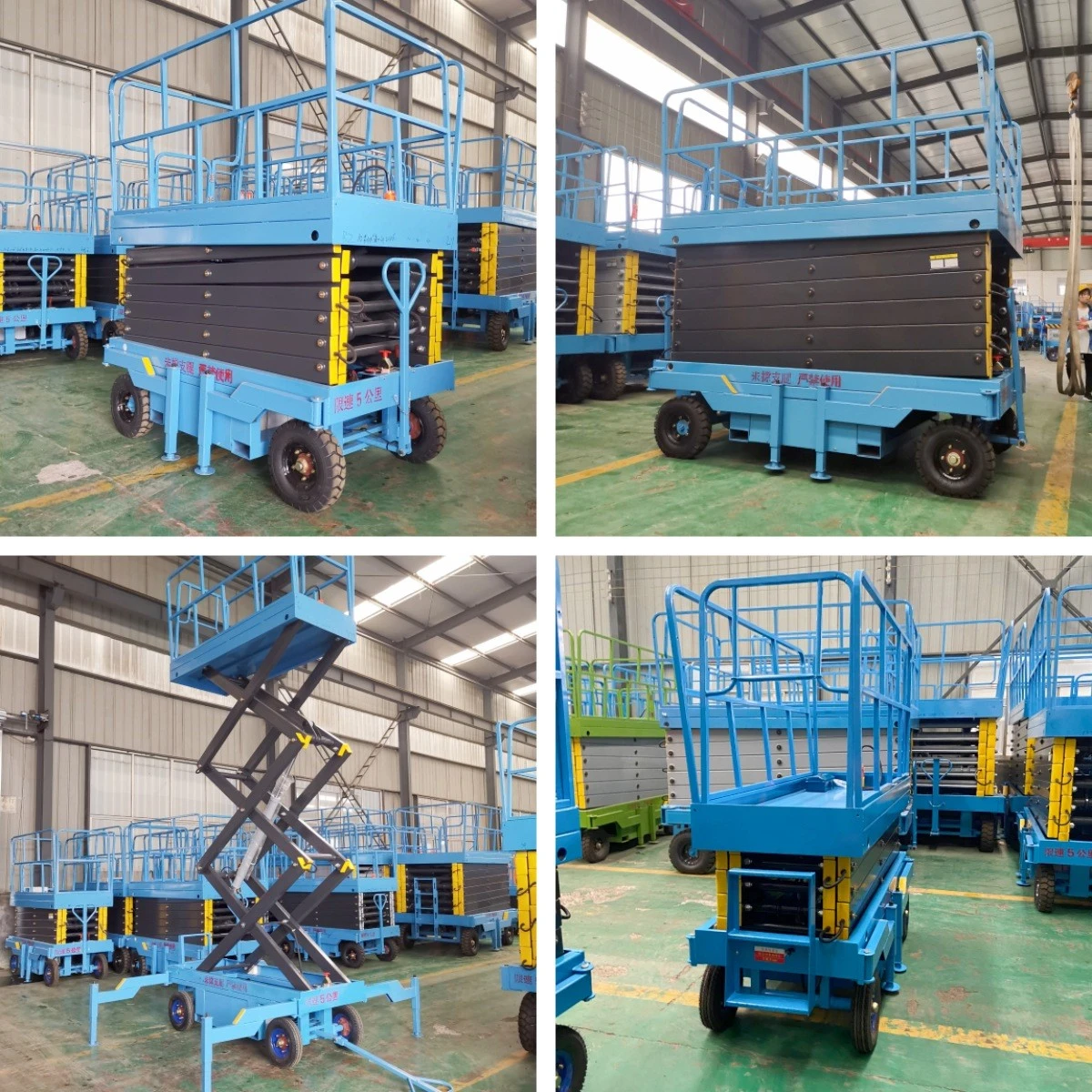

Every year, construction and facility maintenance crews encounter avoidable scissor lift tip-over accidents, most traced back to rushed, incomplete outrigger stabilization. Many operators only follow basic extension steps yet overlook terrain adaptation, mechanical lock checks and real-time load control-three critical layers that separate safe, steady operation from life-threatening risks. This practical, jobsite-focused guide breaks down actionable stabilization methods for towable and self-propelled mobile scissor lift outriggers, covering ground prepping, full mechanical deployment, and dynamic anti-tip control strategies.
1. Pre-Deployment Terrain Calibration: Match Outrigger Support To Ground Bearing Capacity
First, mobile scissor lift clear all loose debris, loose rocks, wooden scraps and construction rubble from the full outrigger footprint area. Small uneven bumps under a single pad create a tilted chassis that shifts the machine's center of gravity off the safe support polygon. Next, test surface firmness: press a steel boot into the ground. If it sinks deeper than half an inch, the ground lacks sufficient bearing strength for bare outrigger pads.
For soft ground, deploy thick polymer or steel outrigger base plates under every stabilizer foot-never skip plates to save setup time. The scissor lift aerial work platform plates spread the lift's total weight (machine, operator, tools) across a wider surface area and prevent gradual sinking during long shifts. On mild slopes under 3 degrees, grade loose dirt flat beneath each pad individually; slopes exceeding manufacturer limits require relocating the lift entirely, as outriggers cannot fully counteract steep incline pressure.
Always set the mobile scissor lift's parking brake and chock both drive wheels before extending outriggers. Wheel movement during stabilizer setup misaligns pad positioning and creates hidden lateral stress on outrigger hydraulic cylinders. Take 30 seconds to cross-check built-in chassis bubble levels after placing all pads; minor unevenness at ground level amplifies wobble once the platform rises to maximum working height.
2. Full Symmetric Outrigger Deployment & Mechanical Locking To Eliminate Hidden Play
Start by following the mobile scissor lift machine's labeled outrigger control sequence: extend front and rear stabilizers symmetrically, one side matched to the opposite leg. Never fully stretch one outrigger while leaving the opposing leg retracted-this creates uneven lateral support that makes the platform sway when workers shift weight or move heavy materials. For manual screw-type outriggers, crank each leg down until the pad presses firmly into the base plate with slight upward chassis lift; hydraulic outriggers require holding the lower control for 3–5 extra seconds to build full pressure under every pad.
Once all four pads carry equal weight, engage every available locking mechanism. Hydraulic mobile scissor lifts come with mechanical lock pins that slide through outrigger arm slots after full extension-insert each pin and twist to secure, do not rely solely on hydraulic pressure to hold legs in place. Manual stabilizer models need tightening lock nuts against the arm housing to eliminate rotational play that develops from vibration during work.
After locking all hardware, perform a physical stability test: gently push the platform front-to-back and side-to-side with moderate force. Any visible rocking signals uneven pad contact, incomplete extension or missing lock pins. Re-adjust outrigger height one leg at a time until zero lateral movement occurs, and recheck the chassis level bubble after every tweak. Skipping this physical shake test lets minor outrigger misalignment turn into dangerous tipping risk at full elevation.
3. Dynamic Post-Setup Stabilization: Counter Wind, Load Shifts & Real-Time Environmental Hazards
Setting outriggers correctly at ground level only solves half the stability challenge-outdoor jobsites introduce constant dynamic forces (cross winds, uneven platform loads, sudden weight shifts) that can destabilize fully deployed outriggers hours after initial setup. Long-duration elevated work requires ongoing stabilization adjustments to counteract variable outdoor conditions unique to mobile scissor lift operation.
Wind management is non-negotiable for outdoor mobile lift use. Most hydraulic scissor lift platform manufacturers cap safe operation at 18–22 mph wind speeds; strong crosswinds push sideways force against the elevated platform, transferring leverage stress straight to outrigger pads and loosening ground contact over time. When wind picks up mid-shift, lower the platform partially to reduce wind resistance, and add weighted sandbags to empty outrigger base plates for extra downward anchoring. If gusts exceed rated limits, fully retract outriggers and move the lift under wind shelter until conditions calm.
Final Takeaway
Stable mobile scissor lift outriggers do not rely on a single quick setup step-they depend on layered, consistent practice: pre-job terrain calibration to secure uniform ground support, full symmetric deployment with complete mechanical locking to remove hidden play, and ongoing dynamic adjustments to counter wind, load shifts and changing jobsite conditions.Operators, fleet managers and safety supervisors can integrate these three stabilization workflows into standard pre-operation checklists to standardize safe outrigger setup across every mobile scissor lift model. Prioritizing thorough outrigger stabilization protects crew safety, extends lift service life and eliminates downtime caused by unstable platform shutdowns on active jobsites.