

Using a mast lift on bridges can be a game - changer when it comes to maintenance, construction, or inspection work. But let me tell you, it's not all smooth sailing. As a mast lift supplier, I've seen firsthand the challenges that come with using these machines on bridges.
1. Environmental Challenges
One of the biggest hurdles is dealing with the weather. Bridges are often exposed to the elements, and you never know what Mother Nature has in store. High winds can be a real pain in the neck. A mast lift is designed to lift workers and equipment to a certain height, but strong winds can make it unstable. Even a relatively small gust can cause the lift to sway, which is not only scary for the operator but also dangerous.
Rain and snow are other issues. Wet surfaces on the bridge can make it difficult to position the mast lift safely. The wheels might slip, and the stability of the lift can be compromised. Plus, moisture can damage the electrical components of the mast lift. For example, our Electric Double Mast Aluminum Alloy Lift has a lot of electrical parts that can be affected by water if not properly protected.
Extreme temperatures also play a role. In very cold weather, the hydraulic fluids in the mast lift can thicken, which can slow down the operation of the lift. On the other hand, in hot weather, the components can overheat, leading to potential breakdowns.
2. Structural Constraints
Bridges have their own unique structural features that can pose challenges. The surface of the bridge may not be perfectly flat. There could be bumps, cracks, or slopes that make it difficult to level the mast lift. If the lift is not properly leveled, it can tip over, which is a major safety hazard.
The weight capacity of the bridge is another concern. Mast lifts come in different sizes and weights, and you need to make sure that the bridge can support the combined weight of the lift, the operator, and the equipment. Exceeding the weight limit can cause damage to the bridge and put everyone at risk.
Some bridges have limited access points. You might not be able to drive the mast lift directly to the work area. This means you may need to disassemble the lift and transport it in parts, which can be time - consuming and labor - intensive.
3. Safety Regulations and Compliance
When working on bridges, there are a ton of safety regulations that you have to follow. These regulations are in place to protect the workers and the public. For example, you need to have the proper safety equipment, such as harnesses and guardrails. And you have to make sure that the mast lift is inspected regularly to ensure that it meets all the safety standards.
Getting the necessary permits to work on a bridge can be a real headache. The process can be long and complicated, and you may need to provide a lot of documentation. If you don't follow the regulations, you could face fines or even legal action.
4. Operator Training and Experience
Operating a mast lift on a bridge requires a high level of skill and experience. The operator needs to be familiar with the controls of the lift and understand how to handle different situations. For example, they need to know how to adjust the lift's position in case of wind or uneven surfaces.
There's also the issue of situational awareness. The operator has to be aware of their surroundings, including other workers on the bridge, traffic, and any potential hazards. A lack of training or experience can lead to accidents, which can be costly in terms of both human lives and property damage.
5. Maintenance and Repairs
Mast lifts are complex machines, and they require regular maintenance to keep them in good working condition. When working on a bridge, it can be difficult to access the lift for maintenance and repairs. You may need to bring in specialized equipment and technicians, which can be expensive and time - consuming.
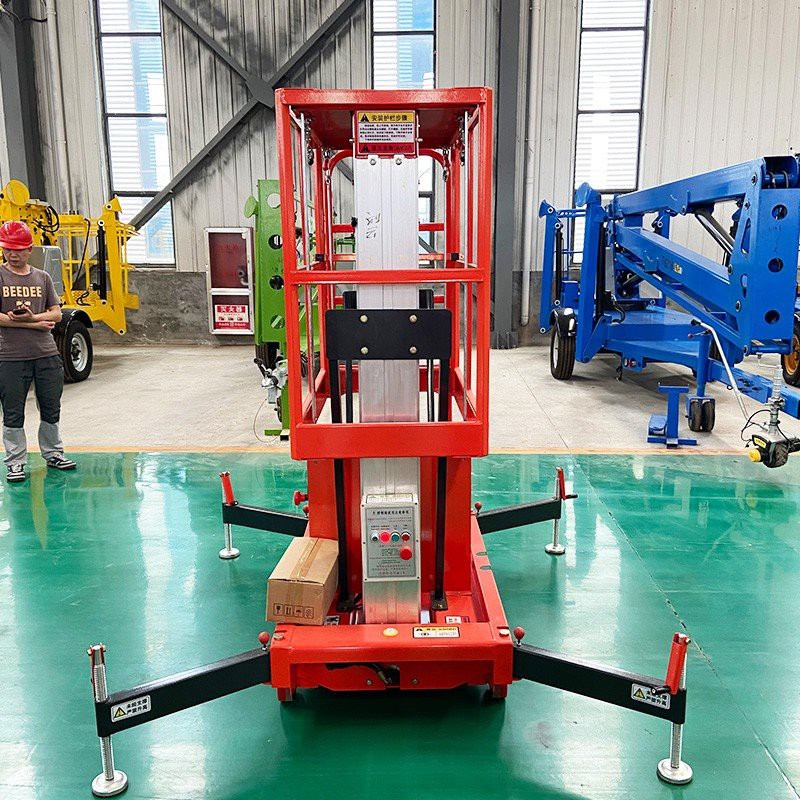

In addition, the harsh environment on the bridge can accelerate the wear and tear of the mast lift. Components such as the hydraulic system, the electrical system, and the structural parts may need to be replaced more frequently.
6. Logistics and Transportation
Transporting a mast lift to a bridge can be a logistical nightmare. The lift may be too large or heavy to be transported on a regular truck. You may need to use a specialized transport vehicle, which can be expensive.
Once the lift is at the bridge, you need to find a suitable place to set it up. This may involve moving other equipment or materials out of the way. And if you need to move the lift to a different location on the bridge, you have to consider the logistics of moving it safely.
7. Communication and Coordination
When working on a bridge, there are often multiple teams involved, such as construction workers, inspectors, and traffic control personnel. Good communication and coordination are essential to ensure that everyone is on the same page.
For example, the mast lift operator needs to communicate with the traffic control team to make sure that the lift doesn't interfere with the flow of traffic. And they need to coordinate with the other workers on the bridge to ensure that the work is done safely and efficiently.
Despite all these challenges, mast lifts are still a valuable tool for bridge work. Our Compact Single Mast Aluminum Alloy Lift and Aerial Work Lift Platform Double Mast are designed to be reliable and easy to use, but it's important to be aware of the challenges and take the necessary precautions.
If you're in the market for a mast lift for your bridge work, don't hesitate to reach out. We're here to help you find the right lift for your needs and provide you with the support you need to overcome these challenges.
References
- Bridge Engineering Handbook, Second Edition, Edited by Wei - Fen Chen
- Safety Standards for Aerial Work Platforms, OSHA Guidelines