

As a supplier of warehouse electric forklifts, I often encounter various questions from customers. One of the most frequently asked questions is whether a warehouse electric forklift can lift uneven loads. In this blog post, I will delve into this topic, exploring the capabilities, limitations, and safety considerations associated with lifting uneven loads using warehouse electric forklifts.
Understanding the Basics of Warehouse Electric Forklifts
Warehouse electric forklifts are essential equipment in modern warehouses and distribution centers. They are powered by electricity, which offers several advantages over traditional internal combustion engine forklifts, such as lower emissions, quieter operation, and reduced maintenance costs. These forklifts are designed to handle a wide range of loads, from small pallets to heavy machinery.
The lifting capacity of a warehouse electric forklift is determined by its design and specifications. Most electric forklifts have a rated lifting capacity, which indicates the maximum weight they can safely lift under ideal conditions. However, when it comes to lifting uneven loads, several factors come into play.
Can a Warehouse Electric Forklift Lift Uneven Loads?
The short answer is yes, a warehouse electric forklift can lift uneven loads, but with certain limitations and precautions. Electric forklifts are equipped with forks that can be adjusted to accommodate different load sizes and shapes. However, the distribution of weight on the forks is crucial for safe and efficient operation.
When lifting an uneven load, the center of gravity of the load must be carefully considered. If the center of gravity is too far to one side, it can cause the forklift to become unstable, increasing the risk of tipping over. To mitigate this risk, operators should ensure that the load is properly balanced on the forks. This may involve adjusting the position of the forks or using additional support equipment, such as load stabilizers.
Another factor to consider is the lifting capacity of the forklift. When lifting an uneven load, the effective lifting capacity of the forklift may be reduced. This is because the uneven distribution of weight can put additional stress on the forklift's components, such as the mast and hydraulic system. Operators should always refer to the forklift's operating manual to determine the maximum lifting capacity for uneven loads.
Safety Considerations
Safety is of utmost importance when operating a warehouse electric forklift, especially when lifting uneven loads. Here are some key safety considerations to keep in mind:
- Inspect the Load: Before lifting an uneven load, carefully inspect it to ensure that it is stable and secure. Look for any signs of damage or instability, such as loose parts or uneven weight distribution.
- Use Proper Lifting Techniques: When lifting an uneven load, use proper lifting techniques to ensure that the load is balanced on the forks. This may involve adjusting the position of the forks or using additional support equipment.
- Maintain a Safe Speed: When operating a forklift with an uneven load, maintain a safe speed to avoid sudden movements that could cause the load to shift or the forklift to tip over.
- Be Aware of Your Surroundings: Always be aware of your surroundings when operating a forklift, especially when lifting an uneven load. Look for any obstacles or hazards that could interfere with the operation of the forklift.
- Follow the Manufacturer's Instructions: Always follow the manufacturer's instructions and guidelines when operating a warehouse electric forklift. This includes using the correct lifting capacity, maintaining the forklift properly, and following all safety procedures.
Types of Warehouse Electric Forklifts
There are several types of warehouse electric forklifts available, each with its own unique features and capabilities. Here are some of the most common types:
- Counterbalance Forklifts: Counterbalance forklifts are the most common type of warehouse electric forklift. They are designed to balance the load on the forks by using a counterweight at the rear of the forklift. Counterbalance forklifts are suitable for a wide range of applications, including lifting and moving pallets, stacking goods, and loading and unloading trucks.
- Reach Forklifts: Reach forklifts are designed to reach into narrow aisles and lift loads to high heights. They are equipped with a telescopic mast that allows them to extend the forks forward and upward. Reach forklifts are ideal for warehouses with limited space and high storage racks.
- Order Pickers: Order pickers are designed to allow operators to pick individual items from shelves at various heights. They are equipped with a platform that can be raised and lowered to the desired height. Order pickers are commonly used in e-commerce warehouses and distribution centers.
- Pallet Jacks: Pallet jacks are the simplest type of warehouse electric forklift. They are designed to lift and move pallets over short distances. Pallet jacks are commonly used in warehouses and distribution centers to move pallets from one location to another.
Choosing the Right Warehouse Electric Forklift for Uneven Loads
When choosing a warehouse electric forklift for lifting uneven loads, several factors should be considered, including the lifting capacity, the type of load, the operating environment, and the budget. Here are some tips to help you choose the right forklift:
- Determine the Lifting Capacity: The lifting capacity of the forklift should be sufficient to handle the heaviest uneven load you expect to lift. Make sure to consider the weight of the load, as well as any additional equipment or support that may be required.
- Choose the Right Type of Forklift: The type of forklift you choose will depend on the specific requirements of your application. For example, if you need to lift loads to high heights, a reach forklift may be the best choice. If you need to pick individual items from shelves, an order picker may be more suitable.
- Consider the Operating Environment: The operating environment of the forklift is also an important factor to consider. If you are operating in a narrow aisle or a confined space, a compact forklift may be the best choice. If you are operating in a wet or dirty environment, a forklift with a sealed electrical system may be required.
- Evaluate the Budget: The budget is another important factor to consider when choosing a warehouse electric forklift. Make sure to compare the prices of different forklifts and choose the one that offers the best value for your money.
Our Warehouse Electric Forklifts
As a supplier of warehouse electric forklifts, we offer a wide range of high-quality forklifts that are suitable for lifting uneven loads. Our forklifts are equipped with advanced features and technologies, such as Electric Forklift Lithium Battery, AC Motor Electric Forklift, and Lead Acid Battery Electric Forklift, to ensure safe and efficient operation.
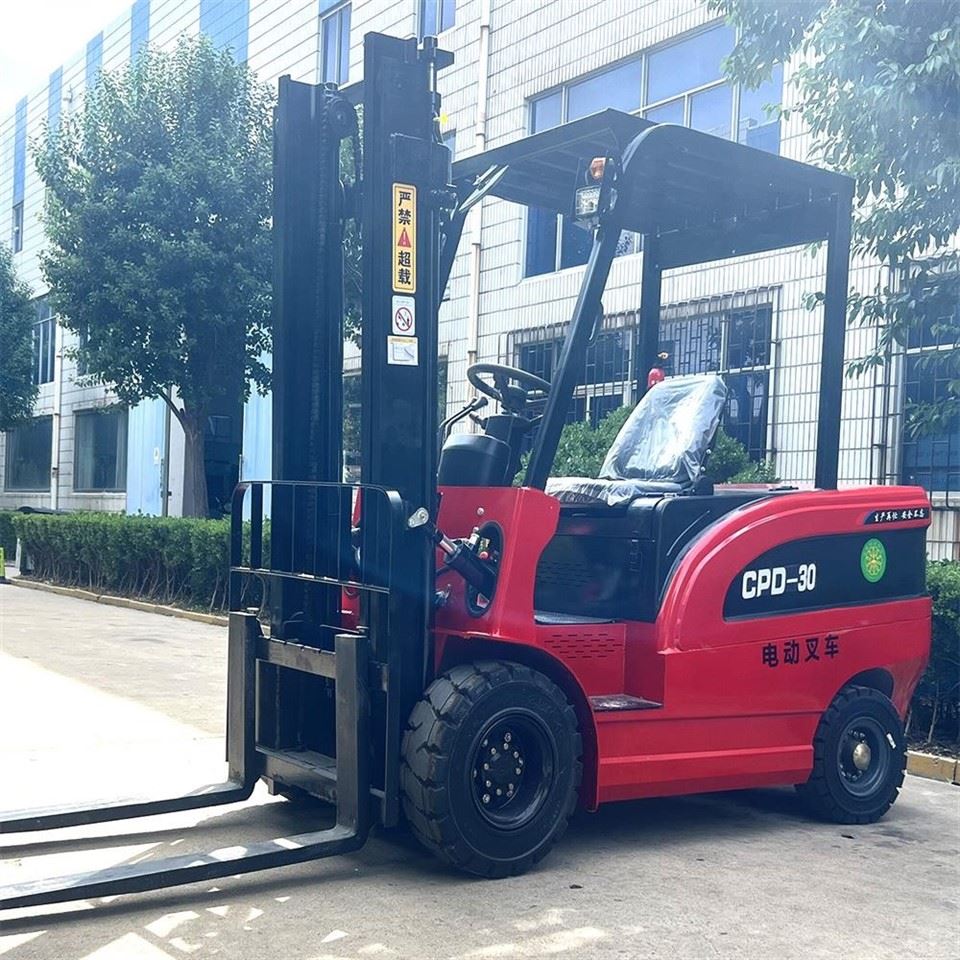
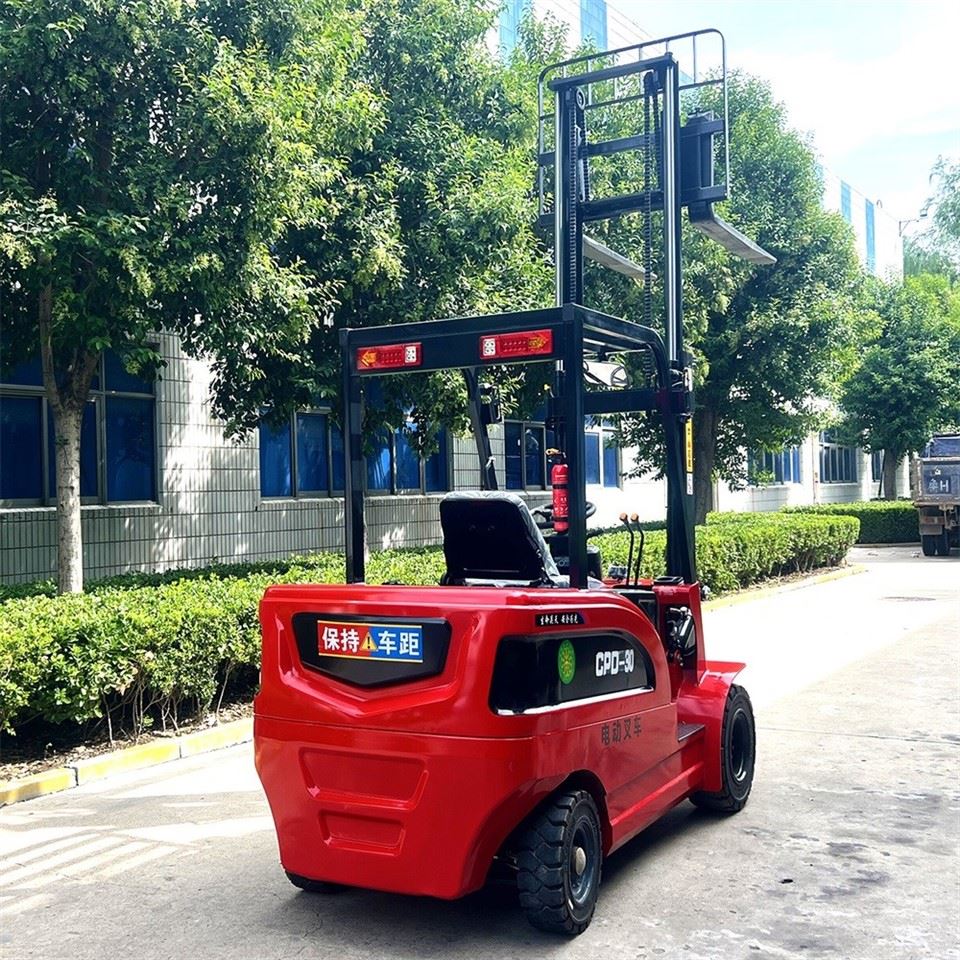
We understand that every customer has unique requirements, and we are committed to providing customized solutions to meet their needs. Our team of experienced professionals can help you choose the right forklift for your application and provide you with comprehensive training and support to ensure that you get the most out of your forklift.
Contact Us for Procurement and Negotiation
If you are interested in purchasing a warehouse electric forklift for lifting uneven loads, we invite you to contact us for procurement and negotiation. Our sales team will be happy to provide you with detailed information about our products, pricing, and financing options. We look forward to working with you to find the perfect forklift solution for your business.
References
- Forklift Safety Manual, Occupational Safety and Health Administration (OSHA)
- Electric Forklift Handbook, Manufacturer's Guide
- Warehouse Material Handling Best Practices, Industry Report


