
A common mistake many new operators and facility managers make is mixing up platform height and maximum working height. The platform height is simply how high the lift's basket can rise vertically. The maximum working height accounts for a standard worker's vertical reach, which typically adds around 6 feet of usable height. When shopping or renting lifts for aerial work, always reference maximum working height - this is the real usable height you'll rely on for every maintenance task.
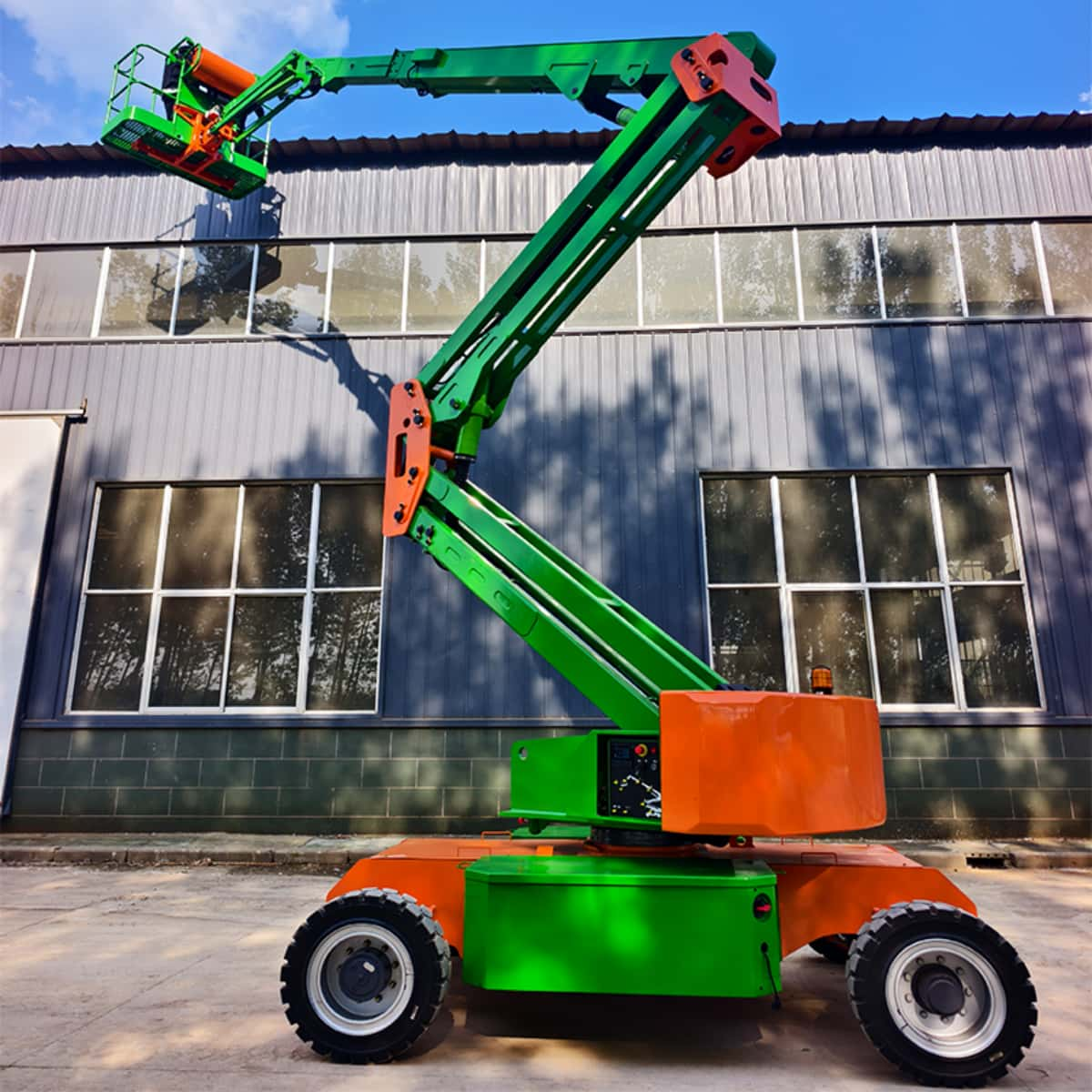
If you're handling routine maintenance on 2 to 3-story low-rise buildings, including office facade washes, interior ceiling fixes and minor exterior touch-ups, a 30ft to 35ft articulating boom lift is your best bet. These lightweight, electric-powered lifts are made for tight spaces. They move easily through narrow hallways, crowded parking lots and compact commercial job sites. Thanks to their flexible joint arms, they can work around overhangs, piping and wall obstructions that rigid lifts can't navigate, perfect for daily light maintenance tasks.
Mid-rise commercial buildings ranging from 4 to 6 stories need more reach, making 40ft to 45ft articulating boom lift units the ideal choice. This height range covers nearly all common maintenance jobs for retail spaces, office buildings and small commercial complexes. Whether you're replacing windows, repainting exterior walls, cleaning gutters or repairing storefront fixtures, these lifts deliver reliable vertical height and solid horizontal outreach. Their articulating design lets you access offset work areas that standard straight boom lifts simply can't reach, solving most tricky exterior maintenance access issues.
For high-rise residential buildings, industrial facilities and large commercial structures, you'll need the extra reach of a 50ft to 65ft articulating boom lift. These heavy-duty units handle tough high-level work, including facade repairs, rooftop HVAC equipment servicing, overhead wiring maintenance and full-scale building exterior overhauls. Diesel and hybrid all-terrain models perform great on uneven outdoor construction and maintenance sites, while clean electric versions work perfectly for enclosed indoor high-rise projects with zero emissions.
Height isn't the only factor to consider before making your final pick. Your job site environment matters a lot. Indoor maintenance work always calls for electric articulating boom lifts - they run quiet, produce no fumes and fit in confined indoor spaces. Outdoor projects demand sturdy all-terrain performance and extended horizontal reach to handle uneven ground and distant work zones. As a general rule, always leave 3 to 5 feet of extra working height buffer to avoid safety hazards and operational restrictions on site.
To wrap things up, matching your boom lift height to your building size and maintenance tasks will streamline every project. Stick with 30–35ft lifts for low-rise routine upkeep, 40–45ft units for mid-rise commercial work, and 50–65ft heavy-duty lifts for high-rise industrial and large-scale building maintenance. This practical selection method keeps your work compliant with OSHA safety rules, cuts down on unnecessary equipment costs, and boosts overall job site efficiency for all building maintenance projects.